Pumpkin Seed Protein: How Pumpkin Seed Kernels Boost Functional Foods and Plant-Based Ingredients Markets
Global demand for pumpkin seed protein and sustainable plant-based ingredients is surging, driving the widespread adoption of pumpkin seed kernels across the food, nutraceutical, and innovative sectors. Once regarded as a niche agricultural by-product, pumpkin seed kernels have emerged as a high-value ingredient, thanks to their rich nutritional profile—packed with pumpkin seed protein, essential fatty acids, and bioactive compounds. This versatility is expanding their application scenarios worldwide, with strong traction in the functional foods segment. As China and India dominate global production (accounting for 26% and 18% of the world’s total output respectively <superscript>1), pumpkin seed kernels are positioned for steady market growth, supported by rising consumer preference for nutritious, eco-friendly ingredients.
Food Industry: Redefining Functional and Plant-Based Formulations
The food industry remains the largest consumer of pumpkin seed kernels, with functional foods and plant-based alternatives emerging as key growth drivers. Processed pumpkin seed flour, enhanced through fermentation, germination, or roasting, boasts elevated nutritional values—fermented variants contain up to 35.85% protein, while roasted flour offers a rich fat content of 46.31% <superscript>3. These flours are increasingly integrated into bakery products, granola, and gluten-free formulations, adding a nutty flavor and boosting protein content without compromising texture.
In the plant-based meat sector, pumpkin seed protein has become a sought-after alternative to soy and pea proteins. Its balanced essential amino acid profile, 85.5% in vitro digestibility, and protein efficiency ratio of 2.7—comparable to legume seeds—make it ideal for formulating meat analogs <superscript>2. Major U.S. retailers like Walmart and Costco have already incorporated pumpkin seed-based products, including tortilla chips and quinoa salads, into their portfolios, reflecting consumer acceptance of theseplant-based ingredients<superscript>4. Additionally, pumpkin seed protein serves as a natural emulsifier and stabilizer in dairy alternatives, improving the mouthfeel of plant-based milks and yogurts.
Nutraceutical and Cosmetic Sectors: Leveraging Health Benefits
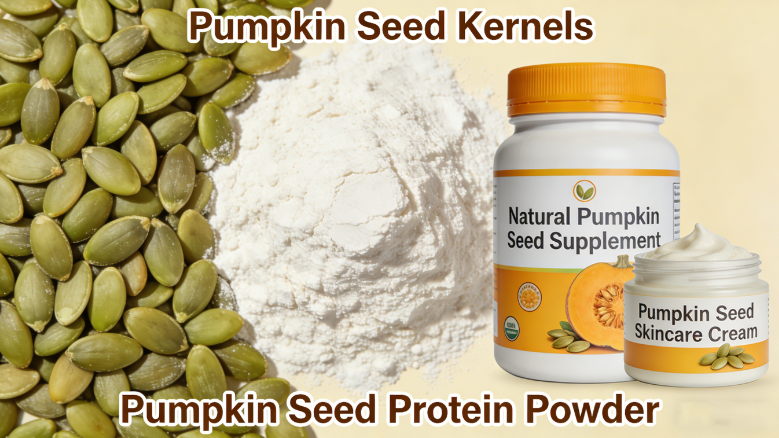
The nutraceutical industry is tapping into the health-promoting properties of pumpkin seed kernels, which exhibit antioxidant, anti-inflammatory, and antihypertensive effects <superscript>2. Extracts of pumpkin seed protein are formulated into dietary supplements, targeting cardiovascular health, immune support, and metabolic regulation. Omega-3 and omega-6 fatty acids found in pumpkin seed kernels further enhance their appeal as nutraceutical ingredients, with studies linking their consumption to reduced inflammation <superscript>5.
In cosmetics, pumpkin seed oil and protein extracts are gaining traction in skincare and haircare products. Their high antioxidant content helps combat free radicals, while fatty acids nourish the skin and scalp. This expansion into personal care products opens new revenue streams for manufacturers, diversifying the application landscape of pumpkin seed kernels beyond food and nutrition.
Novel Applications: Sustainable Packaging and 3D Food Printing
Innovation is driving pumpkin seed kernels into cutting-edge sectors, including sustainable packaging and 3D food printing. Pumpkin seed cake—a by-product of oil extraction—serves as a biomaterial for biodegradable packaging, aligning with circular economy principles by reducing industrial waste <superscript>1. Researchers are also exploring pumpkin seed protein as edible ink for 3D food printing, enabling precise deposition of nutrients in customized food products <superscript>7. These novel uses address the global push for sustainability, positioning pumpkin seed kernels as a versatile solution for eco-conscious industries.
Market Outlook: Acreage and Demand Shape Growth
The global market for pumpkin seed kernels is supported by rising demand ahead of major festivals and expanding cultivation. Initial estimates project a larger 2026 crop than in 2025, though acreage levels will be a key determinant of price stability <superscript>6. As functional foods and sustainable plant-based ingredients gain momentum, manufacturers are increasingly investing in advanced processing technologies to enhance the functionality of pumpkin seed protein, unlocking new application possibilities.
For exporters and suppliers, this growing diversification presents a strategic opportunity to tap into high-value markets. By highlighting the multifunctional attributes and sustainability of pumpkin seed kernels, businesses can strengthen their presence in global supply chains, catering to the evolving needs of food, nutraceutical, and innovative industries worldwide.